Introduction
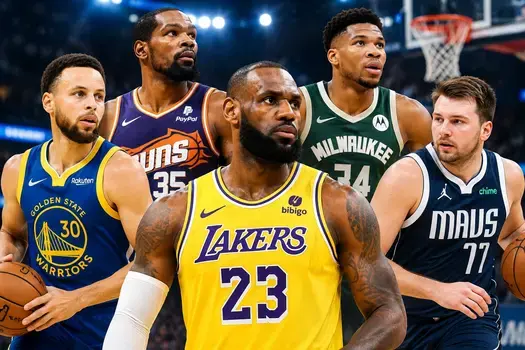
Basketball players transform a simple court into a stage for human excellence. They sprint, leap, and shoot with precision that captivates millions. Understanding these athletes means grasping the physical skills, mental toughness, and strategic roles that separate good players from legends. This guide explores everything about basketball players—from fundamental skills to iconic careers.
What Are Basketball Players?
Basketball players are athletes who compete in the sport of basketball, a team game where two squads of five aim to score by shooting a ball through a raised hoop. These players combine physical prowess with tactical intelligence.
The term encompasses everyone from youth league participants to global superstars. What unites them is the constant demand for coordination, stamina, and split-second decision-making.
The Five Positions on the Court
Each basketball player occupies a specific role. These positions create balance and exploit individual strengths.
Point Guard (PG)
The point guard runs the offense. They manage the ball, oversee plays, and set up opportunities for teammates to score.Think of them as the coach on the floor.
Shooting Guard (SG)
Shooting guards drive to the hoop and score from a distance. They frequently protect the top perimeter scorer for the opposition.
Small Forward (SF)
Small forwards blend speed, size, and skill. They contribute across all statistical categories.
Power Forward (PF)
Power forwards play near the basket.They score inside, protect the paint, and grab rebounds.
Center (C)
The center manages the boards and serves as the defense’s anchor.They protect the rim and finish close shots.
Essential Skills Every Basketball Player Needs
Mastering basketball requires a toolkit of technical abilities. These skills separate effective players from ineffective ones.
- Shooting: Accurate shooting wins games. Players practice jump shots, free throws, and three-pointers relentlessly.
- Dribbling: Ball handling allows players to navigate traffic and create space. Control with both hands is essential.
- Passing: Vision and timing turn individual talent into team success. Great passers see plays before they develop.
- Rebounding: Securing missed shots requires positioning, timing, and aggression.
- Defense: Stopping opponents demands footwork, anticipation, and effort. Defense often decides championships.
- Basketball IQ: Understanding spacing, matchups, and game situations elevates every physical skill.
Physical Attributes That Define Greatness
Basketball players come in different shapes and sizes. Yet certain physical traits correlate with success at elite levels.
Height provides advantages near the basket. Guards typically stand 6’0″ to 6’4″ while centers reach 6’10” to 7’2″. Wingspan matters too—long arms disrupt passes and shots.
Players can quickly change directions thanks to their speed and agility.Vertical leap enables dunks, blocks, and contested rebounds. Strength helps players absorb contact and finish through fouls.
Conditioning sustains performance across 48 minutes of NBA action or 40 minutes of college play. Stamina separates starters from bench contributors.
The Mental Game of Basketball
Basketball players face relentless pressure. The mental component often determines who thrives and who fades.
Confidence drives aggressive play. Players who hesitate miss opportunities. The best shooters maintain belief even after misses.
Focus blocks out crowd noise and distractions. Free throws with seconds remaining test nerves more than any physical drill.
Resilience helps players recover from slumps, injuries, and losses. The season is long. Mental toughness sustains performance through adversity.
Leadership emerges from veterans and emerging stars. Vocal players organize defenses and calm teammates during chaos.
Legendary NBA Basketball Players Who Defined Eras
Certain basketball players transcend statistics. Their names become synonymous with excellence.
Michael Jordan
Six championships. Six Finals MVPs. Jordan combined scoring brilliance with defensive intensity. He made basketball players global icons.
LeBron James
Four championships across three franchises. James pairs physical dominance with elite court vision. He remains a force in his third decade.
Kareem Abdul-Jabbar
The NBA’s all-time leading scorer for decades. Abdul-Jabbar’s skyhook was unstoppable. Six MVP awards confirm his sustained excellence.
Magic Johnson and Larry Bird
In the 1980s, their rivalry brought the NBA back to life.Johnson orchestrated the Lakers’ Showtime offense. Bird’s shooting and toughness powered Boston.
Bill Russell
Eleven championships in thirteen seasons. Russell believed that rebounding and defense were the keys to victory.His impact extends beyond statistics.
Wilt Chamberlain
Scored 100 points in one game. Chamberlain’s physical gifts produced records that still stand. He dominated like no other basketball player.
International Basketball Players and Global Impact
Basketball players now come from every continent. International stars have reshaped the game.
Hakeem Olajuwon (Nigeria/USA) brought footwork and grace to the center position. Two championships with Houston.
Dirk Nowitzki (Germany) revolutionized the stretch forward. His one-legged fadeaway baffled defenders for two decades.
Giannis Antetokounmpo (Greece/Nigeria) rose from poverty to MVP and champion. His athleticism and humility inspire worldwide.
Yao Ming (China) opened the NBA to Asian markets. His skill and dignity made him a cultural bridge.
Manu Ginóbili (Argentina) brought Euro-style creativity to San Antonio. Four championships validate his impact.
Women’s Basketball Players: Pioneers and Modern Stars
Women basketball players have built their own legacy of excellence.
Lisa Leslie dominated the WNBA’s early years. Her scoring, rebounding, and defensive presence set standards.
Diana Taurasi owns the WNBA scoring record. Her competitiveness and clutch shooting define winning.
Candace Parker won championships at every level. Her versatility as a forward changed how the game is played.
A’ja Wilson represents the modern WNBA star. Multiple MVPs and championships cement her status.
Caitlin Clark brought unprecedented attention to women’s college basketball. Her shooting range and passing vision draw record audiences.
How Basketball Players Train and Develop
Becoming an elite basketball player requires years of deliberate practice. The journey starts early.
Youth programs teach fundamentals—dribbling, passing, shooting form. AAU circuits expose players to top competition.
High school basketball players balance academics with athletic development. College recruitment determines the next level.
College basketball players compete in the NCAA or international equivalents. This stage develops physical maturity and tactical understanding.
Professional training includes skill work, strength conditioning, film study, and recovery protocols. The best basketball players treat their bodies as investments.
Career Pathways for Basketball Players
Professional opportunities exist beyond the NBA. Understanding these paths helps players make informed decisions.
- NBA: The pinnacle for men’s players. Thirty teams compete for championships.
- WNBA: The top women’s league. Twelve teams with growing visibility.
- EuroLeague: Elite competition in Europe. High-level basketball with competitive salaries.
- G League: NBA’s developmental system. A pathway to roster spots.
- International Leagues: Australia, China, Turkey, and others host professional basketball.
- NCAA: College basketball remains a crucial development stage.
The Business of Being a Basketball Player
Modern basketball players are brands. Their earnings extend far beyond salaries.
Endorsement deals with shoe companies, apparel brands, and tech firms generate significant income. Social media followers translate into marketing value.
Player agents negotiate contracts, manage schedules, and protect interests. Financial advisors help athletes manage wealth across long careers.
The NBA’s collective bargaining agreement sets salary structures. Supermax contracts reward elite performers. Minimum salaries provide stability for role players.
Injury risk demands insurance and careful planning. A single injury can alter a career trajectory.
The Future of Basketball Players
The game continues to evolve. Future basketball players will differ from today’s stars.
Positionless basketball blurs traditional roles. Players must develop versatile skill sets to survive.
Analytics influence strategy more than ever. Data shapes shot selection, defensive schemes, and player evaluation.
International talent pipelines grow stronger. The next generation of basketball players will represent more countries than ever.
Technology transforms training. Virtual reality, biometric monitoring, and AI-driven analysis become standard tools.
Women’s basketball gains investment and attention. The gap between men’s and women’s professional opportunities narrows.
Frequently Asked Questions
Who is the greatest basketball player of all time?
The debate between Michael Jordan and LeBron James dominates discussions. Jordan won six championships with perfect Finals records. James combines longevity, statistics, and championships across multiple teams. Both redefined what basketball players can achieve.
What skills do basketball players need most?
Shooting and ball handling form the foundation. Defense and basketball IQ elevate players to elite levels. The best basketball players master multiple skills rather than specializing narrowly.
How tall do you need to be to play basketball?
Height helps but does not guarantee success. Muggsy Bogues stood 5’3″ and played 14 NBA seasons. Skills, intelligence, and work ethic matter more than inches.
What do basketball players eat?
Most follow nutrition plans emphasizing protein, complex carbohydrates, and hydration. Pre-game meals focus on energy. Recovery nutrition accelerates muscle repair.
How much do basketball players make?
NBA salaries range from minimum contracts around $1 million to supermax deals exceeding $50 million annually. Endorsements can double or triple total earnings.
Can anyone become a basketball player?
Yes. Basketball welcomes players of all ages, sizes, and backgrounds. Professional aspirations require exceptional dedication, but recreational play offers fitness, community, and joy.
Your Next Step on the Court
Basketball players inspire us because they transform effort into artistry. They show what dedication produces when talent meets opportunity.
Whether you watch them, study them, or lace up your own shoes, the game rewards engagement. Great basketball players started somewhere. So can you.